Five Homeschooling Tips for Non-Custodial Parents and Parenting Time
As novel Coronavirus cases go up, non-custodial parenting time goes down. A shelter-in-place order does not mean that your children cannot see the other parent in person when they live close by.
By: Sherry Palmer | Modified: | Posted:

As novel Coronavirus cases surged, non-custodial parenting time experienced unprecedented disruption. However, a shelter-in-place order does not mean your children cannot see the other parent in person when living close by. For parents separated by distance or navigating stay-at-home restrictions, proactive co-parenting and creative educational strategies are vital to staying engaged with your child right now—without waiting months for delayed court hearings.
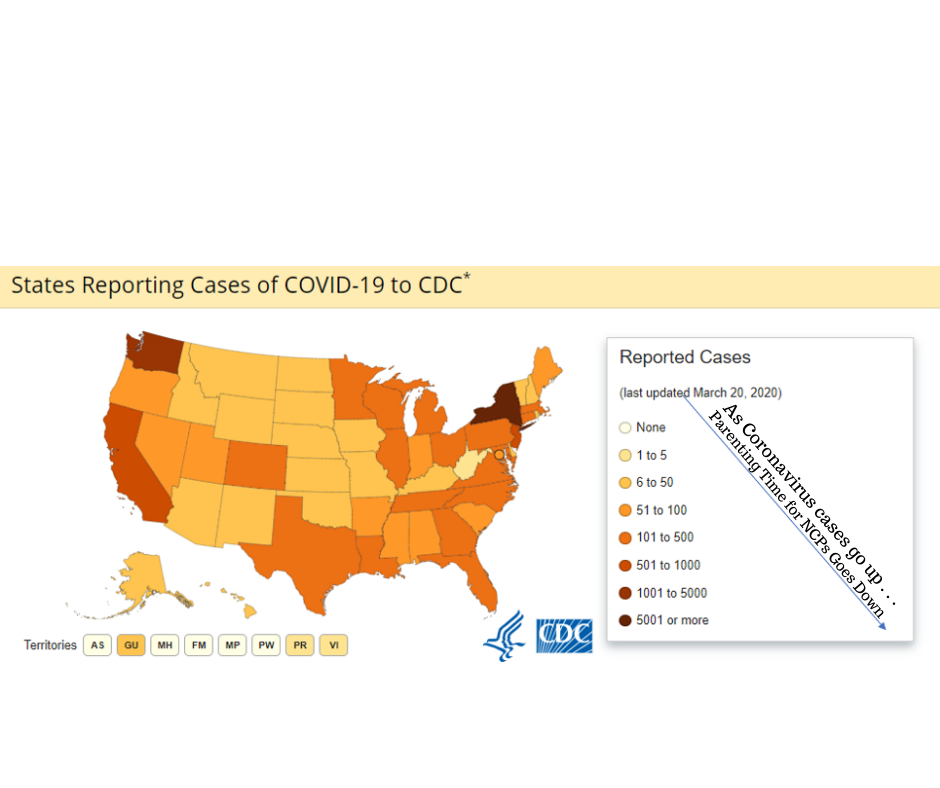 When state shelter-in-place mandates began in California and spread nationwide to New York, Illinois, Texas, and beyond, confusion followed. Medical systems faced strain, government directives shifted daily, and non-custodial parents found themselves denied possession time by primary parents citing viral fears. In response, family courts, governors, and state supreme courts issued binding emergency orders confirming that custody orders remain in full force.
This comprehensive guide provides both immediate virtual connection techniques to co-parent during school closures, and a step-by-step legal protocol if you are wrongfully denied parenting time.
Part I: 5 Homeschooling & Virtual Connection Strategies for Away Parents
Just because you are a noncustodial parent does not make you a "visiting" parent. You are a permanent, critical foundation in your child's life. Even when quarantine restrictions prevent in-person time, these five actionable strategies allow you to participate actively in your child's daily education and routine:
Tip 1: Virtual Co-Watching & Documentary Learning (Netflix Party)
You can watch educational documentaries, historical films, and entertaining shows together in real time using Netflix Party (free with your Netflix subscription). The service synchronizes video playback and adds group chat so you can discuss what you are watching simultaneously.
Install Extension
Open Chrome and add the Netflix Party extension from the Chrome Web Store on computers, laptops, or Chromebooks.
Open Video
Log into Netflix on your browser, select any documentary or show you want to watch together, and start playing.
Create Party
Click the red "NP" icon beside your browser address bar, click "Start Party", and copy the shareable invite link.
Join & Chat
Send the link to your child. Once they click the URL and the NP icon, your playback synchronizes and chat opens.
*Note: Both parent and child must have the Chrome extension installed. Works on PC, Mac, Chromebooks, and tablets running Chrome browser.
Tip 2: Interactive Brain Games & Study Streaming via Discord
Find out what games your child enjoys and play together. Strategy games, chess, trivia, and math challenges forge enduring bonds. Children often establish lifelong friendships through shared gaming platforms.
Consider setting up a free, private server on Discord. Discord allows seamless high-definition screen sharing, voice chat, and video calls. You can share your screen while helping with homework, stream educational games, or solve interactive puzzles together.
Tip 3: Navigating "Wait Until 8th" Pledges with Dedicated Hardware
What if you and the other parent signed a Wait Until 8th Agreement[1], pledging not to give your child a smartphone until 8th grade?
A smartphone restriction should never prevent parental communication. Use desktop computers, Chromebooks, or dedicated family tablets placed in common areas. Video calls via Zoom, Google Meet, FaceTime (on iPad/Mac), or Skype work seamlessly without giving the child a personal smartphone. While screen-time limits are commendable, maintaining uninterrupted parent-child connection during an emergency takes precedence.
Tip 4: Remote Physical Activity & Extracurricular Participation
With organized sports, gymnastics, dance studios, and martial arts classes paused, children suffer from lack of physical outlets. Step up by leading virtual physical education workouts over video. If your child's coach or music instructor offers online instruction, ask to attend the video sessions so you can practice routines and instruments with your child remotely.
Tip 5: Structured Subject Teaching & Custom Audiobooks
Coordinate with the other parent to divide subjects based on your individual strengths. If you excel in mathematics, science, or music, establish scheduled daily hours where you take over instruction online. This provides the primary parent with much-needed relief to focus on work or rest, transforming a stressful situation into a collaborative victory.
Additionally, read books to your child over video chat or record voice chapters to a shared Google Drive. Your child can listen to your voice as they relax or fall asleep, preserving your presence throughout their day.[2]
Part II: Legal Orders & Quarantine Realities
Has Coronavirus Suspended Child Custody Orders?
No. Neither generalized pandemic fears nor government shelter-in-place declarations suspend, alter, or terminate court-ordered custody and possession schedules. Unless an emergency modification has been formally entered by a judge, every parent remains bound by their existing court order.
The Texas Supreme Court Precedent
When Texas schools extended closures during Spring Break, custodial parents attempted to keep children indefinitely, arguing orders specified return only "the day before school resumes." Dallas and Collin County judges intervened immediately, followed by the Supreme Court of Texas in Miscellaneous Docket Order 20-9043[3]:
Judicial Order"For purposes of determining a person's right to possession of and access to a child under a court-ordered possession schedule, the original published school schedule shall control in all instances. Possession and access shall not be affected by the school's closure that arises from an epidemic or pandemic, including what is commonly referred to as the COVID-19 pandemic."
Under Texas Family Code §§ 153.312 and 153.313, custodial parents cannot unilaterally cancel the other parent's possession time. What applies in Texas has been mirrored by supreme courts and judicial councils across Indiana, Michigan, New York, and other jurisdictions.
Mutual Temporary Agreements
Parents are free to negotiate temporary adjustments by mutual written agreement. If both parents are working from home, a 50/50 alternating-week schedule may reduce daycare reliance and minimize friction. However, any informal arrangement must be agreed to by both parties in writing; neither parent may impose changes unilaterally.
Part III: The 8-Step Pick-Up & Custody Denial Protocol
These physical exchange procedures and communication guidelines do NOT apply if you are subject to an active Protective Order, Restraining Order, or No-Contact Injunction prohibiting contact with the other parent. Litigants must strictly adhere to all injunctive orders to avoid criminal contempt or arrest.
If the other parent threatens to withhold your child citing infection fears or stay-home orders, follow this 8-step evidentiary protocol to safeguard your rights without triggering conflict:
1Bring Certified Court Orders and State Guidance
Carry physical, certified copies of your custody decree and your state's supreme court emergency guidance order to the exchange. Email a copy to the other parent in advance so they cannot claim ignorance of the governing law.
2De-escalating Written Communication
Address health concerns calmly in writing. Remind them politely of the schedule, confirm that you are symptom-free, and explain the specific hygiene and social-distancing protocols you will observe during your parenting time.
3Punctual Arrival at the Designated Exchange Location
Arrive on time at the location designated in your court order. If the other parent fails to appear or refuses to release the child, wait at least 30 minutes to establish that you made a complete, good-faith effort to exercise possession.
4Lawful Recording Without Provocation
In single-party consent states, record the interaction audio or video to verify your presence and the refusal. Never wave a phone aggressively in the other parent's face or provoke an argument. Keep your tone quiet, measured, and respectful at all times.
5Multi-Day Persistence for Consecutive Possession
If your order grants a weekend (Friday through Sunday) and you are denied on Friday, return on Saturday and Sunday at the regular designated times. Documenting repeated refusals proves intentional, willful denial rather than a single isolated miscommunication.
6Police Information Logs (Civil Standby Only)
Law enforcement will not enforce child custody orders without a specific writ of habeas corpus. However, you may request a non-emergency police incident report or call dispatch to log your presence at the exchange site. Avoid creating a traumatic spectacle for your child; obtain the officer's name, badge number, and CAD incident report number for your court record.
7Organized Digital Evidence Archiving
Maintain dedicated digital folders backed up to cloud storage. Store timestamped GPS logs, photos of the location, audio/video recordings, text messages, and email chains. Accurate contemporaneously created logs carry substantial weight in enforcement proceedings.
8Factual Symptoms vs. Pretextual Withholding
If a parent claims withholding is justified by sickness, courts require verifiable medical proof (active diagnosis, fever, doctor's notes). Generalized anxiety or unverified allegations do not meet legal standards. If a child is genuinely ill, both parents must be notified immediately and provided medical access.
Part IV: Post-Crisis Court Remedies & Financial Adjustments
While court dockets experienced widespread backlogs during the emergency, judges consistently enforce consequences once operations resume:
1. Compensatory Make-Up Time
Courts routinely award hour-for-hour and day-for-day compensatory parenting time for wrongful withholdings. Parents who withheld access often view makeup awards as a punishment, but courts regard it as restitution of fundamental parental rights.
2. Contempt of Court & Sanctions
Willful violation of a custody decree exposes the withholding parent to contempt findings, mandatory attorney fee awards, and in severe or repeat cases, civil confinement or modification of custody.
3. Child Support Modifications
Parents facing sudden pandemic-related job loss or income reduction must file modification motions immediately. Courts generally cannot reduce support arrears retroactively prior to the formal date of filing.[4]
Part V: State Standing Orders, Authorities & Resources
Below is a curated directory of governing state emergency orders, scholarly legal commentary, and judicial task force resources:
National Center for State Courts (NCSC) Task Force Briefing
Official judicial guidance from state court administrators regarding child custody continuity during emergency declarations:
| Jurisdiction / Authority | Document / Action | Key Rule / Principle |
|---|---|---|
| Supreme Court of Texas | Second Emergency Order (Misc. Docket 20-9043) | Original published school calendar strictly governs possession schedules; closures do not affect access. |
| Dallas & Collin Counties (TX) | Emergency Standing Orders | District courts confirm extended Spring Break closures do not extend possession time past original calendar dates. |
| State of Michigan | Executive Order 2020-20 & Supreme Court Statement | Affirms that travel related to court-ordered parenting plans is exempt from stay-at-home travel bans. |
| Prof. Marcia Zug (Univ. of South Carolina) | Family Law Scholar Commentary | Highlights that unilateral custody withholding during pandemics risks severe judicial sanctions and alienation claims. |
| Centers for Disease Control (CDC) | COVID-19 Guidance for Households | Official hygiene, symptom identification, and quarantine protocols for shared households. |
Footnotes
- The "Wait Until 8th" pledge is a parent initiative committing not to give children smartphones until the end of 8th grade to reduce distraction and social media pressures.↩
- Ensure custom recordings of copyrighted books are kept strictly private between you and your child for personal educational use.↩
- Supreme Court of Texas, Misc. Docket No. 20-9043: "Second Emergency Order Regarding the COVID-19 State of Disaster," clarifying possession schedules under the Texas Family Code.↩
- See Michigan family law commentary by Attorney Mika Meyers regarding expedited support review hearings during emergency declarations.↩
Copyright 2020 - 2026 Fix Family Courts. All Rights Reserved.